English
日本語
Date, Time, Currency Rate
Japan:
Sat, 08/15/2026, 1:18 AM
Central USA:
Fri, 08/14/2026, 11:18 AM
Currency: 1 USD = 159.21 JPY
as of 08/14/26 16:00 UTC

(本戸) クラーブ 律子

Ritsuko (Hondo) Crabb

X

Stories From Ritsuko's Bilingual and Multicultural Life

Foreward by Bob Crabb

If there is such a thing as destiny, then mine was to meet an extraordinary young woman named Ritsuko.

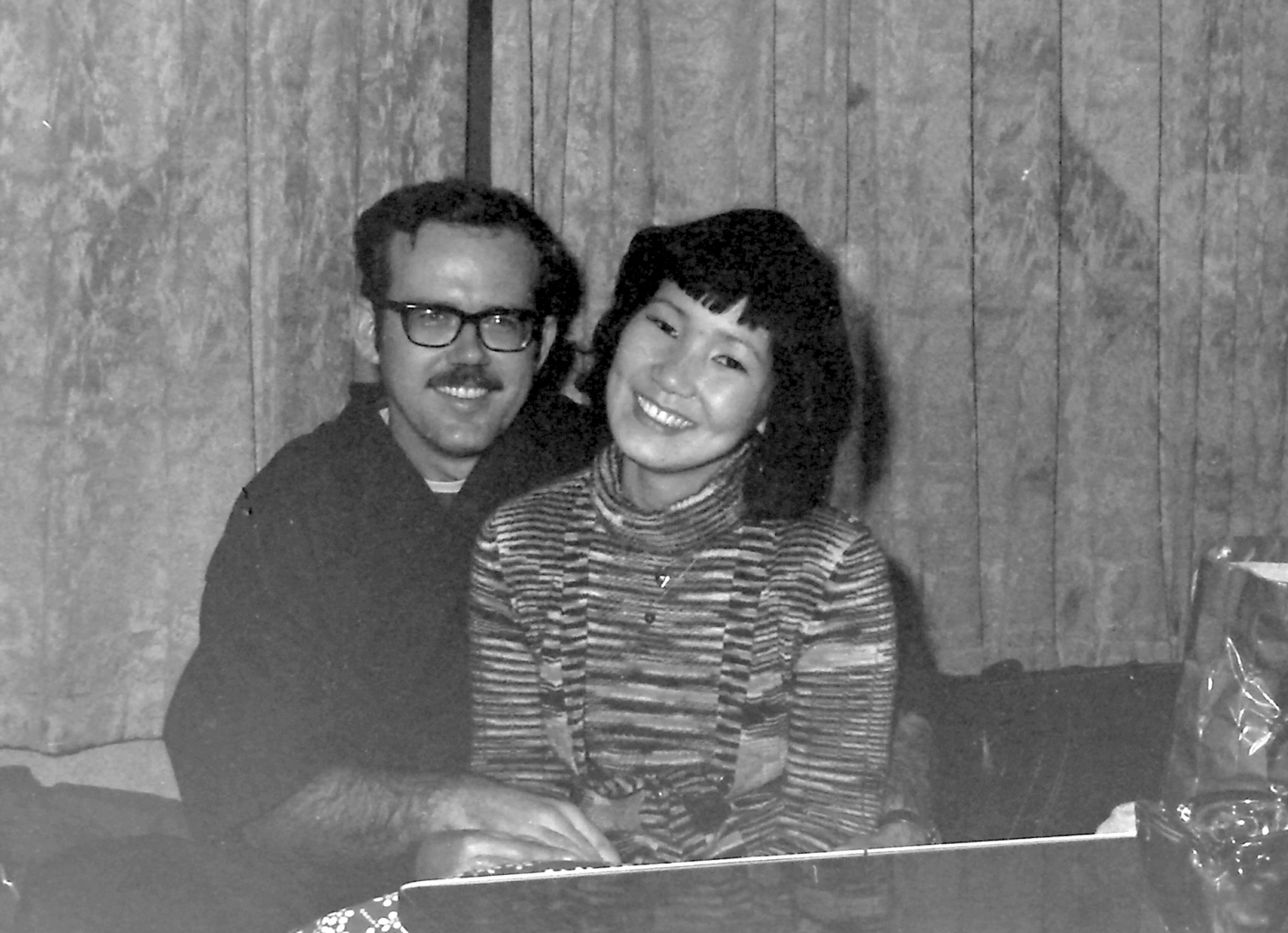
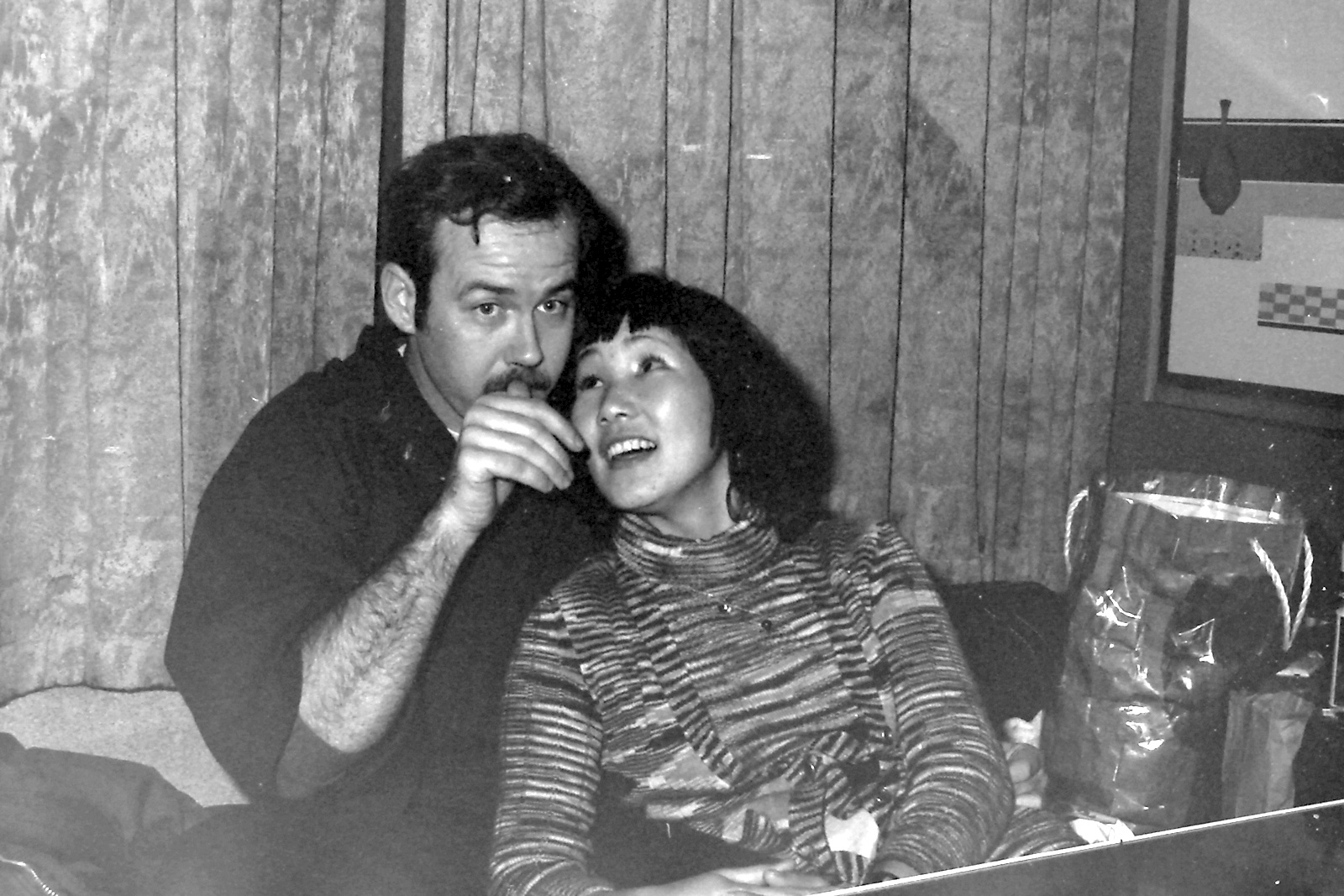
In November of 1974, Ritsuko and I were each on separate life paths on which marriage was not even a consideration for the foreseeable future. But then one evening, at the insistence of a couple of friends, we each went to a party that neither of us really wanted to attend. It would have been easy for one or both of us to refuse the invitation, but instead, we both went, and there we met. Soon afterward, we began dating. Our relationship developed very quickly after that, and we were married in April 1975.

Fast forward to the year 2025. That was the year that both of us turned 75, and it was the year when we celebrated being married for 50 years. As if all that wasn't enough for 2025, it was also the year that Ritsuko decided that she would like to begin to share with the public some of the stories of her remarkable life. Since many of her stories are based on events that I either witnessed or was a part of, I vowed to do what I could in helping her to succeed in that endeavor. I thought that the best way in which I could help would be to develop this website which she could use in presenting her stories to whomever was interested in reading.

I have learned over the past few decades, through trial and many errors, not to assume or second guess what is on Ritsuko's mind. So, as I was fussing about with the bits and bytes of making this coded contraption function as a proper website, I asked her if she had a theme in mind.

"Yes! I will call it my bilingual and multi cultural life!"

Of course! That certainly made sense.

I have always been fascinated and deeply respectful of the way that she is able to move in and out of two languages, her native Japanese and her second language, English. Likewise she has, with great enthusiasm and joy, assimilated into American culture and lifestyle, both personally and professionally, while maintaining the essence of her Japanese culture and values as the foundation of who she is.

Having listened for many years to Ritsuko telling humorous and insightful stories about her life experiences, I look forward to reading what will come forth from her beautifully creative mind.

Ritsuko will be writing new content as her memories and ideas manifest themselves into words, so please check back frequently for new content.

Thank you for visiting Ritsuko's website,
Bob Crabb

Ritsuko's News Interests

News feed source: ScienceDaily - Health
Top Health News -- ScienceDaily
Top stories featured on ScienceDaily's Health & Medicine, Mind & Brain, and Living Well sections.

A stress hormone may help the brain repair itself
Fri, 14 Aug 2026 07:35:11 EDT

A surprising stress-related signal may help the brain repair itself after injury. Researchers found that myelin-producing precursor cells rapidly release the stress hormone CRH near damaged brain tissue, helping control how those cells mature and rebuild protective nerve insulation. The same system also influences brain development and the thickness of myelin later in life. The findings could offer new clues about how early-life stress contributes to psychiatric disorders.
Immune cells flood into the aging brain, Stanford scientists discover
Fri, 14 Aug 2026 09:28:02 EDT

Scientists have discovered that the aging human brain may be far less isolated from the rest of the body than once believed. Stanford researchers found that large numbers of immune cells from the blood begin entering the brain as early as middle age, where they can transform into microglia, the brain’s specialized immune cells. The finding overturns a long-standing assumption that these cells remain largely separate from the body’s immune system throughout life.
Taking the stairs could protect your heart and help you live longer
Fri, 14 Aug 2026 08:35:37 EDT

Simply choosing the stairs could have surprisingly big benefits for your heart and longevity. A large analysis involving more than 480,000 people found that regular stair climbers were 39% less likely to die from cardiovascular disease and 24% less likely to die from any cause than people who rarely took the stairs. They also had lower risks of heart attack, stroke, and heart failure.
Women taking estrogen had fewer signs of Alzheimer’s in their brains
Fri, 14 Aug 2026 07:19:42 EDT

Women who used estrogen-only hormone therapy later in life were less likely to develop dementia and showed fewer signs of Alzheimer’s disease in their brains, according to a large study of more than 21,000 participants. Hormone therapy use was linked to 39% lower odds of a dementia diagnosis and 35% lower odds of Alzheimer’s-related brain changes at autopsy, including amyloid plaques and tau tangles. Biomarker tests also suggested less amyloid buildup among hormone therapy users.
This common vitamin deficiency becomes far more dangerous when paired with belly fat
Thu, 13 Aug 2026 22:29:03 EDT

A large study of more than 5,500 adults over 50 found a striking combination of risk factors: abdominal obesity paired with vitamin D deficiency was linked to a 123% higher risk of death over six years. Each condition was associated with increased risk on its own, but together they appeared to create a dangerous feedback loop, with belly fat reducing the amount of vitamin D available in the bloodstream while low vitamin D may worsen inflammation and other health problems.
Drinking orange juice every day may change thousands of genes
Thu, 13 Aug 2026 08:15:50 EDT

Orange juice may have a much bigger effect on the body than scientists once realized. Drinking it regularly appears to influence genes tied to inflammation, blood pressure, metabolism, and blood sugar control, while studies have also found improvements in cholesterol and blood vessel health. Researchers suspect natural citrus compounds such as hesperidin may be partly responsible. Even the gut microbiome may benefit.
A surprising brain discovery could help explain why we overeat fatty foods
Thu, 13 Aug 2026 05:42:51 EDT

A protein inside appetite-controlling brain cells may play an important role in preventing overeating and obesity, particularly when high-fat foods are readily available. Unexpected differences between males and females could also help explain why obesity risk—and responses to weight-loss drugs—can vary.
Why your brain keeps making the same decisions – even when better options exist
Wed, 12 Aug 2026 23:45:36 EDT

Why do we keep making the same choices even when better options are available? Researchers found that simply repeating a decision can reshape what we prefer, causing familiar choices to feel better than alternatives. Instead of weighing every option from scratch, the brain often remembers what it chose before and repeats it. That shortcut may help explain many everyday habits and seemingly irrational decisions.
Human brain cells are far more powerful than scientists thought
Thu, 13 Aug 2026 01:40:38 EDT

A single human brain cell may be far more powerful than scientists once realized. Researchers found that cortical neurons can perform remarkably complex computations, giving them capabilities more like tiny biological computers than simple on-off switches. This could help explain why the human brain supports abilities such as language, imagination, and mathematics.
One faulty gene copy can make the heart’s DNA fold the wrong way
Thu, 13 Aug 2026 09:46:14 EDT

Researchers have discovered that a gene linked to congenital heart disease acts like an architect for the heart cell’s DNA. Losing just one copy of TBX5 can cause the genome’s carefully folded 3D structure to unravel, disrupting the genes needed to build a healthy heart. The effects can vary from cell to cell, which may help explain why people with the same mutation develop different heart defects. The same hidden mechanism could also play a role in other birth defects.
X

The default language of this page is Japanese. If you wish to view this content in English, please do not use the AI translator in your browser, because it won't translate true to the intent of the author. Instead, please click on the "English" button in the top left corner of the page, or click here to display the correct English translation that was written by Ritsuko.

日本語で続きを読むにはこちらをクリックしてください 。

X